Green Glass, Second Life: The Studios Turning Brewery Trash Into Gallery Gold
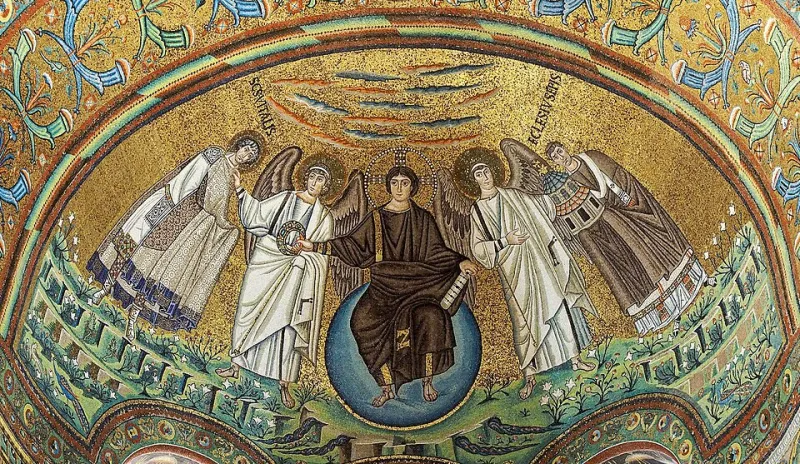
Photo: Petar Milošević, CC BY-SA 4.0, via Wikimedia Commons
Walk into the back room of most craft breweries in America and you'll find the least glamorous part of the industry: pallets of crushed green glass, bins of bottle caps, stacks of cardboard carriers destined for the recycling plant. But in three studios scattered across the country, that same waste is the raw material for work that ends up on gallery walls and in hotel lobbies.
The upcycling movement in beer culture has been quietly building for years, and it's finally having its moment — partly because sustainability sells, and partly because, honestly, the material is gorgeous.
The Cap Count: A Mosaic Built One Bottle at a Time
In Portland, Oregon, a two-person operation called Pressed & Capped has been turning discarded crowns into large-scale mosaic murals. The studio's signature piece — a 9-foot-wide rendering of Mount Hood — took roughly 14,000 caps, most of them pulled from local breweries' taproom bins.
"People assume we're sorting through garbage," co-founder Lena Ortiz laughs. "We're sorting through a color palette. Caps come in dozens of finishes — matte, metallic, printed, embossed. Once you start seeing them that way, a recycling bin looks like a paint store."
The studio now has standing arrangements with a handful of Pacific Northwest breweries, trading finished pieces for a steady supply of caps. One collaboration, a mural commissioned for a Denver taproom, was assembled entirely from that brewery's own packaging — a self-portrait in waste.
Cardboard With a Past
Six-pack carriers might be the most underappreciated canvas in the beer world. They arrive pre-printed, pre-textured, and stamped with brand DNA — which makes them irresistible to printmakers.
In Asheville, North Carolina, a letterpress shop called Second Run Studio produces limited-edition prints on flattened carriers rescued from brewery backrooms. The existing graphics become part of the composition: a logo fragment might anchor the corner of a landscape print, or a barcode might double as a city skyline.
"Every sheet is one-of-one," founder Marcus Bell explains. "You can't reprint a beer box. That scarcity is the whole appeal — collectors know they're getting something the brewery itself can't reproduce."
The model has proven lucrative enough that several regional breweries now save their misprinted and surplus carriers specifically for the studio, treating the partnership as a sustainability line item rather than a favor.
Stained Glass, But Make It Lager
The most striking work in the space might come out of Detroit, where a glass artist named Yvonne Tran has spent four years perfecting a deceptively simple trick: cutting empty green bottles into panes and kiln-fusing them into traditional stained-glass panels.
The color is the point. That familiar emerald tint — the same shade that's caught bar light for a century — filters sunlight into something between cathedral and dive bar. Tran's pieces now hang in restaurants and music venues across the Midwest, and she's begun taking commissions from breweries themselves.
"There's a hundred years of nostalgia in that glass," she says. "When light hits it, people feel something before they can explain why."
Why Waste Is Becoming the Aesthetic
So why now? Partly, it's the economics — recycled material is cheap, and young artists are broke. But there's something deeper happening: nightlife culture has always been defined by what gets left behind at 2 a.m. Empty bottles on tables, caps on the floor, flyers on telephone poles. Upcycled art doesn't just reference that world; it's literally made from it.
Sustainability has also become a genuine branding play. Breweries that once bragged about hop schedules now tout zero-waste initiatives, and partnering with local artists turns a recycling program into a story customers actually want to hear.
The result is a feedback loop: breweries produce the medium, artists elevate it, and the finished work ends up back on the taproom wall — closing the circle in the most literal way possible.
Next time you finish a bottle, take a second look before tossing it. Somebody with a kiln, a press, or 14,000 bottle caps already has plans for it.