Between Sets, Nobody Wants a Sour: How Big Lager Won the Festival Grounds
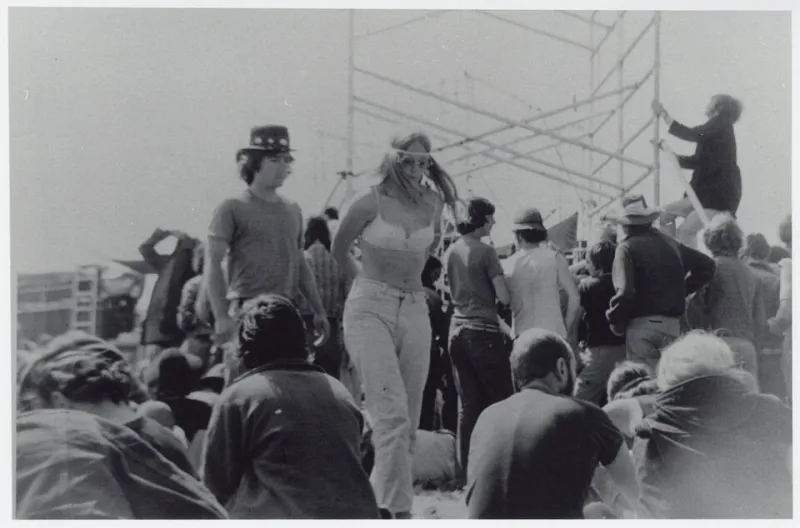
Photo: Ellis, Dave, photographer, Attribution, via Wikimedia Commons
Picture the scene: it's 95 degrees in Indio, you've got sunscreen in your eyes, your phone is at 4%, and your favorite artist goes on in eleven minutes. What do you want in your hand? If you answered a barrel-aged wild ale with notes of barnyard funk, you are lying.
You want something cold, clean, and instantly recognizable. That's the truth the festival industry has quietly re-learned over the past few seasons, and it explains why mass-market lagers — Heineken among them — are dominating beer sales at America's biggest music events.
The Logistics Problem Nobody Talks About
Festivals are essentially small cities built in a weekend. Every cooler, every keg, every can has to survive heat, transport, and a crowd of 80,000. Hazy IPAs lose their hop sparkle in a hot truck. Barrel-aged stouts are a nightmare to pour quickly. A crisp European-style lager, meanwhile, is nearly indestructible — it tastes right at every temperature short of soup, and it pours in four seconds flat.
Speed matters more than most people realize. Beverage vendors at Lollapalooza have a matter of minutes to serve thousands of attendees between headliners. Every second of deliberation at the bar is a lost sale and a missed song. A beer everyone already knows eliminates the menu-reading bottleneck entirely.
Sponsorship Math and the Green Bottle Effect
Then there's the money. Major festivals sign exclusive pouring rights deals that shape the entire beverage map before a single ticket is sold. When a global lager brand buys the beer category, its product isn't just available — it's everywhere: on the main stage banners, in the VIP lounge, in the hands of the influencers on the ferris wheel.
That visibility compounds. Seeing a green bottle in a festival photo makes the next thousand attendees a little more likely to order one. Craft beer, with its fragmented brands and regional loyalties, simply can't buy that kind of unified presence.
The No-Fuss Factor
There's also a psychological shift happening. The craft boom was built on exploration — flights, tasting notes, novelty. But a festival isn't a taproom. It's a marathon of walking, dancing, sweating, and sunburn. Attendees describe their drink of choice in strikingly similar terms: refreshing, easy, not too heavy, nothing to think about.
Beer sommeliers call this "occasion-based drinking," and the occasion here demands a lager. The bitterness of a double IPA fights against heat and hops fatigue. A malty amber feels like a meal. A dry, cold lager slides down between sets and doesn't slow you down.
Craft Isn't Dead — It's Just Not Playing Main Stage
To be clear, craft beer hasn't vanished from festivals. Bonnaroo still carves out space for regional brewers, and Lolla's craft beer tents do brisk business in the early afternoon. But the sales curve tells the story: craft spikes early, lager dominates after sunset.
There's a lesson in that for both sides of the industry. Big lager learned that presence and consistency beat novelty. Craft brewers are learning that their strengths — terroir, experimentation, story — shine in intimate rooms, not on a dusty field at 2 PM.
And for the rest of us? The takeaway is simple. When the music hits and the sun is brutal, nobody's grading your pour. Grab the cold one, twist the cap, and get back to the crowd. The festival cooler wars are over — and the lager won fair and square.