The 12-Ounce Grail: Inside the Can Drops That Sell Out Faster Than the Show
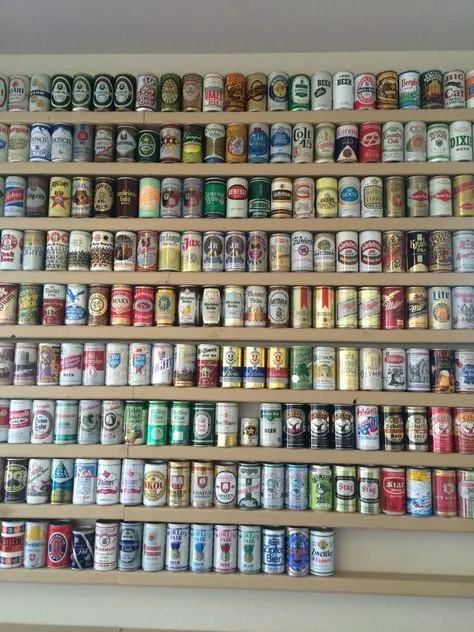
Photo: colorful limited edition beer cans collection display, via i.pinimg.com
The show hasn't sold out. The can has.
At a midsize venue in Portland last month, a collaboration between a local brewery and a screen-printer who goes by one name dropped at 6 PM on a Tuesday. Four hundred cans, each featuring a hand-pulled design inspired by the venue's founding year. By 6:07, they were gone. By Wednesday morning, three were listed on a resale app at $85 apiece. The band playing that night? Tickets were still available at the door.
Welcome to the limited-can economy, where the beer is almost beside the point.
Aluminum Is the New Gallery Wall
For decades, the beer can was packaging. Now it's a canvas — and arguably the most democratic one in American nightlife. A gallery print from a recognizable artist might run $300 framed. An artist-designed can runs $12 to $15, comes filled with something cold, and lives or dies on the same hype mechanics that move sneakers: scarcity, drop times, and the thrill of the chase.
The parallel isn't lost on the people making them. "I stopped thinking of them as cans," says a Detroit-based illustrator who's done six venue collaborations in two years. "It's a 12-ounce print run. The difference is people drink it and then they have a choice — recycle it or keep it. The ones who keep it become your collectors."
That low entry price is the whole pitch. You don't need to know a gallerist or have a trust fund. You need to be online at the right minute, or in line at the right venue. The aluminum canvas has quietly become the only art object in nightlife where a college kid and a high roller have identical odds.
The Drop Mechanics
The playbook will feel familiar to anyone who's camped a sneaker release. Announce the collaboration on Instagram with a teaser crop of the artwork. Set a drop time. Cap the quantity — and say the number out loud, because the number is the marketing. "Limited to 300" does more work than any tagline.
Venues have gotten savvier about integration. In Austin and Chicago, can drops increasingly ride shotgun with ticket sales: buy a ticket to the show, get first access to the can. Others run the drop as a merch-table moment, timed to set break, when the crowd is loose, drinking, and emotionally primed by whatever the band just played. The can becomes a souvenir that actually earns its shelf life — unlike the tote bag you'll never use.
Some breweries have formalized it into a subscription model, shipping quarterly artist cans to members like a vinyl-of-the-month club. Others keep it scrappy and local, which, honestly, is where the energy is. The scarcity only works if it feels real, and nothing kills a drop faster than discovering the "limited" run was 10,000 units.
The Flip
Of course, scarcity creates a secondary market, and the secondary market creates characters. Resale listings for sought-after collab cans — especially empty ones, which is its own moral debate — regularly hit $40 to $150. The grails: early runs from artists who later blew up, misprints, and anything tied to a venue's closing night. A can from a legendary club's farewell show is the nightlife equivalent of a retired jersey.
Brewers have mixed feelings about the flip. On one hand, resale value is proof the work matters. On the other, watching someone buy four cans and immediately list them stings when actual fans walked away empty-handed. A few venues have started limiting purchases to one per person, or requiring a same-night ticket scan. It's the same arms race every hype economy runs: gatekeepers versus bots, one pour at a time.
Why It Works
Strip away the hype and the appeal is simple. A can is a complete object — art, story, and beer in one hand. It's portable, it's cheap, and it documents a night out better than a blurry phone video. In a nightlife landscape where everything is screenshotted and forgotten, the can is physical evidence you were there.
And for the artists? It's exposure at a scale galleries can't touch. Your design isn't hanging in a room 40 people visit in a month. It's on a shelf in someone's kitchen, in a collection photo, in a resale listing — circulating, being seen, being argued about.
The next time a drop sells out in six minutes, don't be surprised if the band playing that night takes it as a compliment. In 2025's nightlife, sometimes the merchandise is the headliner.