One More Round for the Band: When Touring Acts Put Their Name on the Tap
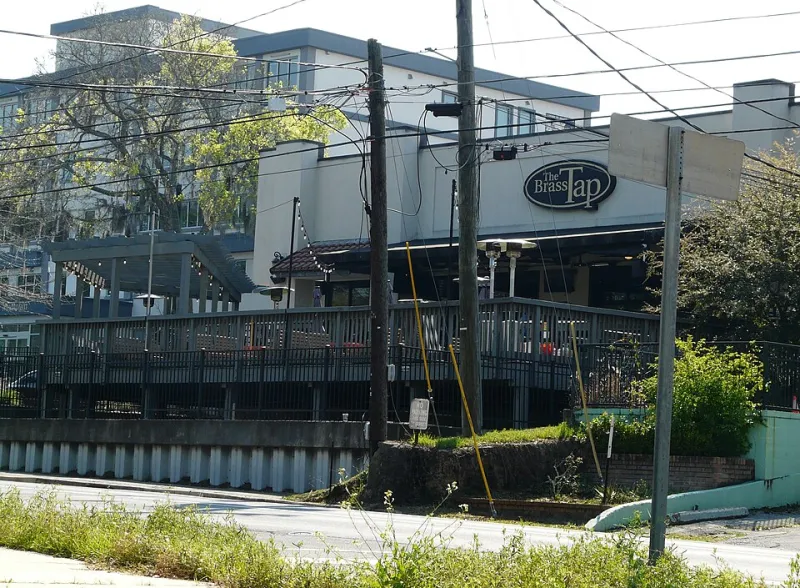
Photo: The Bushranger, CC BY-SA 4.0, via Wikimedia Commons
Somewhere between the soundcheck and the encore, a quiet transaction is reshaping American live music. The band walks in with a rider. The venue walks in with a tap list. And increasingly, both walk out with a beer that didn't exist six months ago — one stamped with the act's name, brewed by a local taproom, and sold to nobody except the people in the room that night.
Call it the band-branded pour. It started as an indie novelty and has grown into a full-blown revenue channel, one that touches everyone from four-piece garage bands playing a 200-cap room in Columbus to arena headliners licensing limited runs that vanish before the second verse.
From T-Shirt Table to Tap Handle
The math that drove artists here isn't hard to follow. Recorded music stopped paying the bills a long time ago, and touring income has traditionally flowed through ticketing, guarantees, and merch tables staffed by whoever lost the coin toss. Beer was always the venue's cut — a fixed line item, a bucket of ice, a bartender who'd never heard your songs.
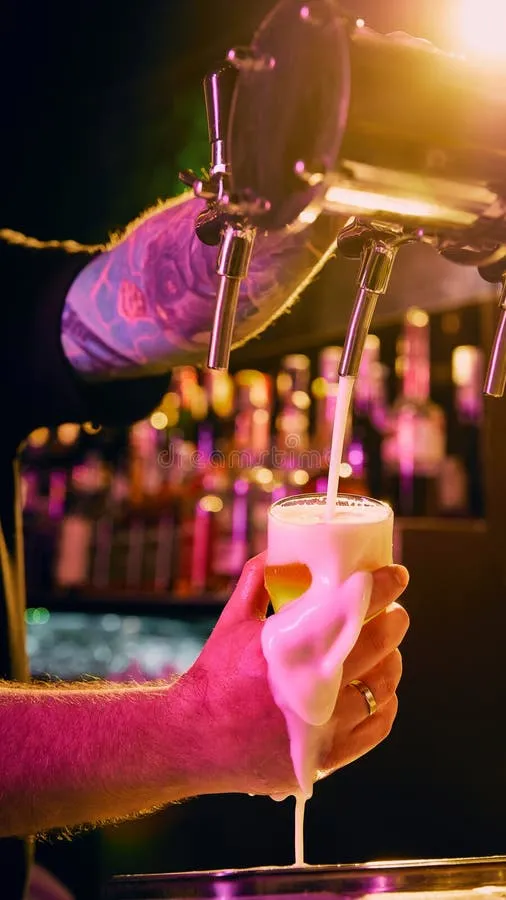
That's changing. In markets like Austin, Portland, and Nashville, small venues have begun inviting touring acts to collaborate on a house pour: a lager or pilsner brewed with a neighborhood brewery, sold exclusively during the run of shows. The band gets a percentage of every cup. The venue gets a story to put on the chalkboard. The brewery gets a pop-up audience of exactly the kind of drinkers who buy things with logos on them.
"A shirt is forty bucks and a conversation at the counter," says one talent buyer who's brokered a dozen of these deals. "A beer is eight bucks and zero friction. People buy three without blinking."
Who Owns the Name?
The negotiation is where it gets interesting — and occasionally ugly. Naming rights on a collaborative brew are treated like any other licensing arrangement, but with touring timelines that make trademark attorneys sweat. A band might commit to a beer name for a single leg of a tour, or carve out language that lets a brewery keep selling a renamed version after the dates wrap.
The savvier artists treat the beer like an album: there's artwork, there's a story, there's a rollout. One indie act out of Philadelphia worked with a local taproom on a hazy pale ale named after a deep cut from their second record — and timed the tap takeover to the same week the song's demo hit streaming. The beer sold out in two nights. The stream count went up. Nobody in the room could tell you which one caused which, and nobody seemed to care.
Arena-level acts play it differently. Rather than brewing anything, they license their mark to an established brewery for a limited run available only at the shows. It's merch logic applied to alcohol: scarcity plus context equals premium pricing, and fans pay it happily because the beer is a souvenir you can drink. You can't wear a memory. You can toast with one.
Why the Venue Says Yes
Cutting a band in on the pour sounds like the venue giving away money, but operators see it as an investment in the night itself. A signature beer gives people a reason to arrive early, order on arrival, and talk about the show afterward with something specific in hand. It turns the bar from a transaction into part of the set.
There's a retention angle, too. Venues that host these collaborations report fans photographing the tap handle, posting it, tagging the brewery — free marketing that no poster budget can buy. And for the brewery, a single sold-out night at a beloved music room functions as an ad campaign aimed at exactly the demo that drinks the most craft beer.
The economics, roughly: the venue keeps its standard pour margin, the brewery covers production, and the artist's cut — often somewhere in the 10 to 20 percent range, depending on leverage — comes off the top of the beer sales. Nobody's getting rich off a Tuesday night. But across a thirty-date tour, it adds up to real money, the kind that covers van repairs and a decent hotel instead of a parking lot nap.
The Fan's Side of the Cup
Skeptics will call it a gimmick, and sometimes they're right — a bad beer with a cool label is still a bad beer. But the collaborations that work share a DNA with the music itself: local, specific, made for one night and one room. A Denver band brewing a crisp Mexican-style lager with a RiNo taproom for their sold-out run isn't selling a product so much as bottling the evening.
There's also something quietly romantic about it. Concert culture has always run on ephemera — ticket stubs, wristbands, setlists taped to the stage. A one-night-only beer fits right into that tradition. You drink it while the band plays, and when it's gone, it's gone, exactly like the show.
Where This Goes Next
Expect the deals to get more sophisticated. Some acts are already negotiating festival-wide pours, multi-market brewery partners, and non-alcoholic versions for the growing slice of the crowd that wants in on the ritual without the alcohol. The venues, meanwhile, are learning that a tap handle with a story on it outsells a tap handle without one.
The merch table will keep selling shirts. But the smartest bands in the building have figured out that the coldest, most popular piece of merch in the room now comes with a lime wedge and a head on it — and it's poured, not folded.