Curtain, Can, Repeat: The Bartenders Writing Beer Setlists Before the Band Loads In
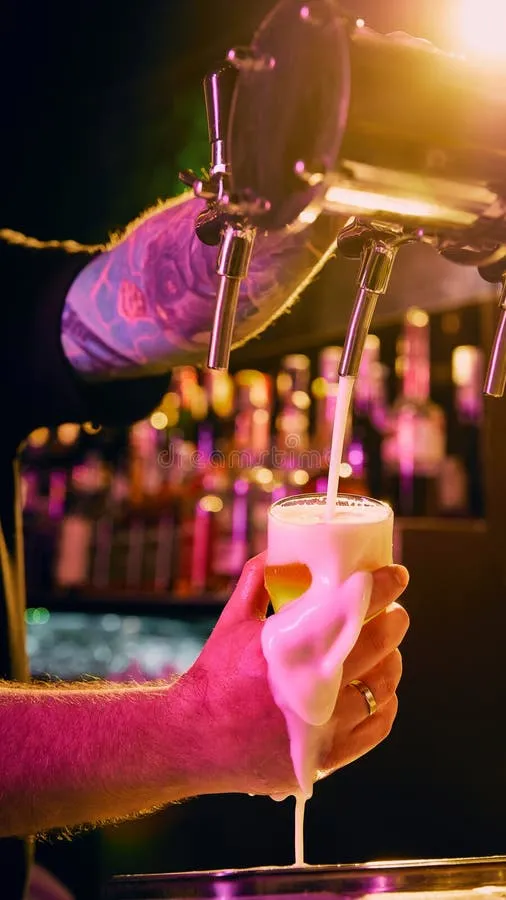
Photo: bartender pouring draft beer at live music venue stage lights, via thumbs.dreamstime.com
The email arrives around 3 PM, usually from a tour manager with a spreadsheet attached and zero fanfare. No rider demands. No celebrity whims. Just a setlist — song order, approximate tempo, maybe a note about a new single they're testing out mid-show.
At a growing handful of independent venues across the US, that spreadsheet doesn't go to the sound engineer. It goes to the bar.
The Pour Is Part of the Show
Call it setlist pairing, call it beer choreography — the idea is the same. Instead of stocking the taps the same way every night, these bartenders sequence what they push and when, so the beer in your hand mirrors the energy on stage.
"Fast, bright opener? That's a pilsner night," says a bar manager at a 400-cap room in Columbus, Ohio, who asked us to keep the venue unnamed because, frankly, this is their competitive edge. "When the headliner slows it down around song six, that's when I start talking about the malty stuff. And the encore — the encore is imperial stout territory. Big, dark, a little dramatic. Same as the song."
It sounds like a gimmick until you watch it happen. Regulars check the venue's socials before doors to see the night's "pour arc." Some order the full sequence like a tasting flight, one beer per act. The bar, meanwhile, moves product in a deliberate rhythm instead of getting blindsided by a surprise acoustic set that leaves a cooler full of IPAs unsold.
How It Actually Works
The logistics are looser than the romantic version. Touring bands rarely send official setlists that far in advance — those things change in the van an hour before doors. What really happens is more improvised:
- The advance call. A tour manager or the band themselves mentions the vibe of the night during a standard rider conversation. "Heavy set," "we're opening with the new single," "we're closing with a 12-minute jam."
- The bartender reads it like a setlist. Tempo, key changes, emotional arc. A slow-burn ballad-heavy show suggests something rounder and lower ABV early. A band that opens at 11 with a wall of noise? Crisp and cold, and lots of it.
- The chalkboard reveal. Most venues translate the pairing into a simple board at the bar — song titles next to pour suggestions — which doubles as free marketing and a conversation starter for anyone waiting on the headliner.
One venue in Portland, Oregon, has taken it further, keeping a spreadsheet of past pairings by band. When a touring act comes back through town, the staff already knows what worked last time. It's the kind of institutional memory you'd expect from a sommelier at a fine-dining spot, applied to a room that smells like fog machine fluid.
Why Venues Are Bothering
Loyalty, mostly. Independent venues live and die on the regulars who show up on a Tuesday for a band they've never heard of. Anything that makes those nights feel curated — feel authored — gives people a reason to choose your room over the one three blocks over.
There's also a practical upside. When a bar plans its pours around a show's arc, waste drops and margins improve. The bartender isn't guessing what 200 strangers will want; they're nudging 200 strangers toward a plan.
And for the bands? It's a small, weird form of respect. Several touring acts we spoke to said a venue that bothered to pair a beer to their encore got remembered — and got requested again on the next routing run.
Is This a Trend or a Quirk?
Honest answer: it's still a quirk. Maybe two dozen venues in the country do anything like this deliberately, and most of them are small rooms with a beer-forward tap list and a staff that genuinely cares.
But the ingredients for growth are all there. Beer-and-music culture is having a moment — listening bars, album-pour nights, brewery stages. Venues are starving for differentiation that doesn't cost capital. And bartenders, a profession built on reading rooms and anticipating moods, are arguably the best-positioned people in the building to pull it off.
The next time you're at a show and the person next to you orders a pilsner at 8:45 and a stout at 11:15 without checking the stage once, don't assume they're psychic. They just read the chalkboard.
The band wrote the setlist. Somebody at the bar wrote the second one.