Loud Beer, Quiet Beer: The Unspoken Link Between What You Sip and What You Stream
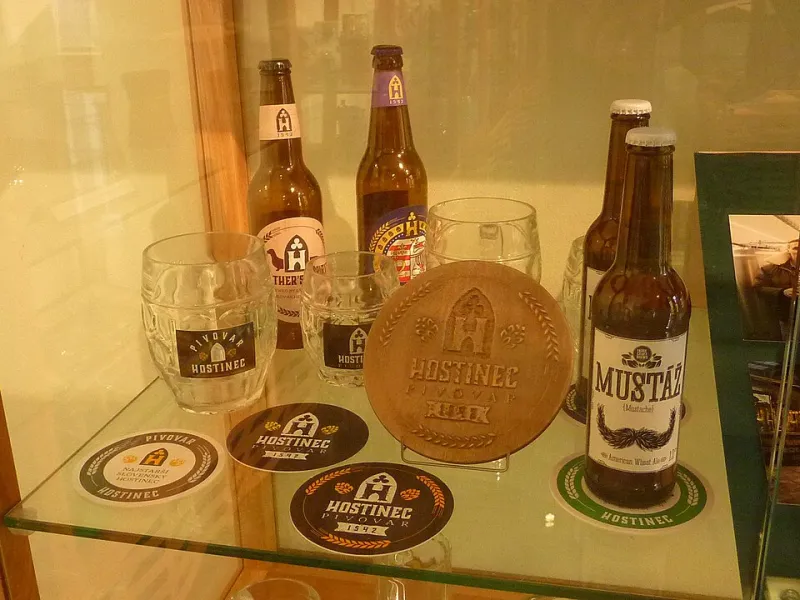
Photo: ZemplinTemplar, CC BY-SA 4.0, via Wikimedia Commons
Spend enough nights on bar stools and you start noticing patterns. The table nursing a barrel-aged stout at 10 p.m. is playing something completely different than the crew crushing hazy pints at happy hour. Coincidence? The people behind the taps don't think so.
We called up a handful of brewers and taproom music curators across the country — folks who spend as much time on Spotify as they do on the brewhouse floor — and asked a question we've all mumbled after two drinks: does your beer style say something about your music taste?
Their answer, almost universally: absolutely. And they had receipts.
The Case for the IPA-Punk Alliance
"Bitterness is loud," says a Denver-based brewer who asked us to keep her taproom anonymous because, in her words, "the punk kids are protective of it." She's been programming playlists since her brewery opened in 2018, and she noticed early on that IPA drinkers never asked her to turn the music down.
The parallel writes itself if you let it. IPAs are aggressive, unapologetic, and intentionally challenging — the same adjectives your friend uses to describe their favorite hardcore band from Ohio that "you've probably never heard of." Both are an acquired taste that people wear like a badge.
One bartender in Portland put it even more bluntly: "Nobody sips a double IPA gently. And nobody moshes gently. Same energy."
Stouts and the Slow-Jazz Crowd
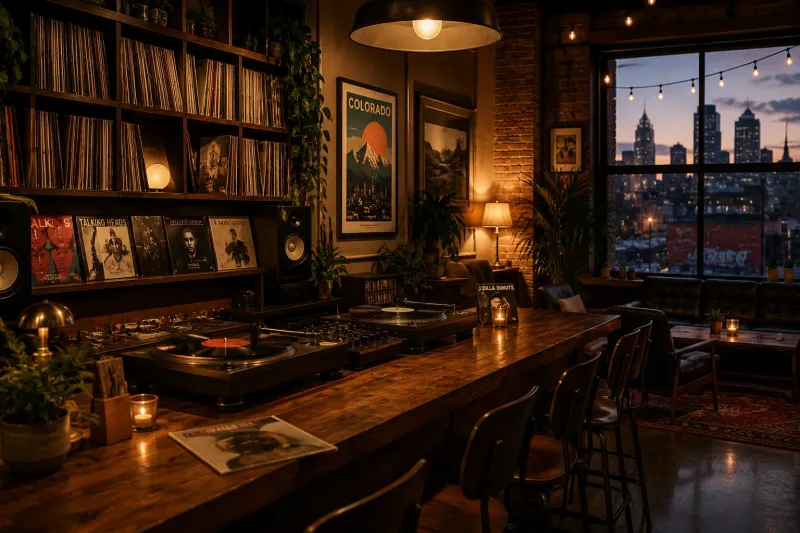
On the other end of the spectrum sits the stout drinker — and according to nearly every music curator we spoke with, they're the reason vinyl nights exist.
There's a reason breweries schedule their quietest, moodiest events around their darkest pours. A rich imperial stout with notes of coffee and dark chocolate wants a standup bass and brushed drums, not a four-on-the-floor kick. It's a beer you think about while you drink it, the same way a late-night Coltrane record rewards actual listening.
"Our barrel-aged releases sell out fastest when we book a jazz trio," one Atlanta taproom manager told us. "I stopped questioning it years ago. Dark beer, dim lights, slow tempo. It's chemistry, basically."
Lagers: The Pop Music of Beer (And Proud of It)
Here's where we get a little controversial: lager is pop music, and that's not an insult.
Pop gets knocked for being accessible, but accessibility is a craft. A clean, crisp lager is deceptively hard to brew — nowhere to hide a flaw — just like a perfect three-minute pop song is deceptively hard to write. Both are engineered for broad appeal without being boring, and both are criminally underrated by people who take themselves too seriously.
As one brewer in Austin laughed: "The lager crowd shows up when we play anything. They're not here for the playlist. They're here for the vibe. That's the most pop thing imaginable, and I respect it."
The Shareable Pairing Guide
Disagree with everything above? Good — that's what group chats are for. Here's the breakdown our sources keep landing on:
- IPA → Punk, indie rock, anything with a screaming guitar
- Stout/Porter → Slow jazz, soul, late-night R&B
- Lager/Pilsner → Pop, top 40, sunny-day singalongs
- Sour → Experimental, hyperpop, stuff your roommate describes as "a vibe"
- Wheat beer → Surf rock, indie folk, festival-day anything
- Belgian ale → Psychedelic rock, jam bands, three-hour sets
- Barrel-aged anything → Ambient, downtempo, vinyl-only pressings
Where Beer Meets Beat
Obviously, this is all in good fun — plenty of stout lovers scream along to pop-punk, and we know at least one lager devotee with a jazz vinyl collection that would make a crate digger weep. But the pattern holds up often enough that taprooms are building their entire ambiance strategy around it.
So next time you're at a bar, look around. The beer list is a playlist. The room is the album. And the person who ordered the sour while the house DJ drops something unhinged? They knew exactly what they were doing.
Cheers to that — loud beer or quiet beer, there's a track for every pour.