Past the Pint Glass: How Brewery-Bar Hybrids Learned to Stay Up Late
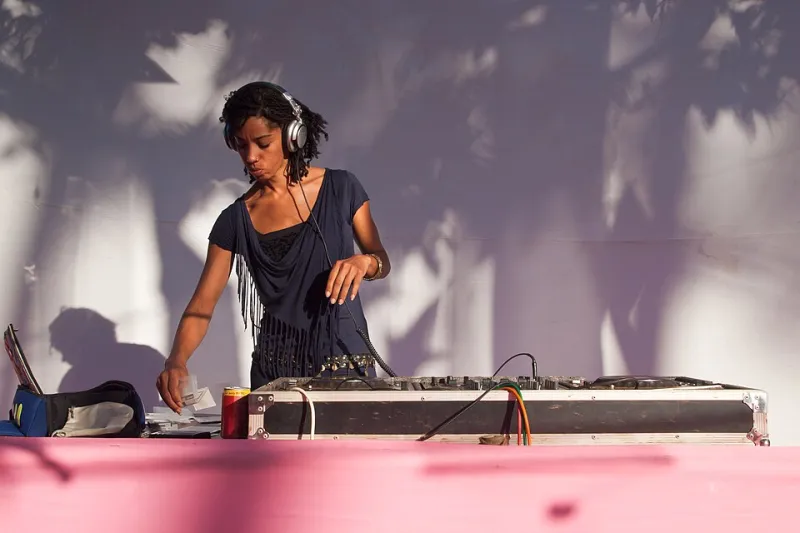
Photo: Vyacheslav Argenberg, CC BY 4.0, via Wikimedia Commons
At 10:45 p.m. on a Friday in Denver, the line at the bar is not moving toward the taps. It is moving toward a cocktail shaker. A DJ is set up where the merch table usually sits. The lights are lower than a tasting room has any right to be. The beer is still there, but it is no longer the only thing in the room.
This is the brewery-bar hybrid, and it is spreading. Across the US, breweries are stretching beyond daytime tasting-room hours and adding craft cocktail programs, DJ residencies, small dance floors, late-night snacks, and the kind of programming that used to belong to bars and clubs. The goal is simple: get more people through the door after 8 p.m., when the post-work crowd has gone home and the nightlife crowd is just starting to decide where to go.
The 10:45 P.M. Tasting Room
The traditional brewery model is built around daylight. Tours, flights, growler fills, a food truck at noon, a family-friendly patio, last call at 9 p.m. That model works for many places. But it leaves money on the table. A taproom that closes early is a room that sits empty while the neighborhood is still awake.
The hybrid model fills that gap. Breweries are hiring bar managers with cocktail experience. They are investing in sound systems and lighting. They are applying for later licenses where local rules allow it. They are booking DJs who can move between soul, house, hip-hop, and the kind of left-field selections that make a room feel curated rather than random. The beer list still matters. It is just no longer the whole personality.
Why Beer Bars Started Booking DJs
The economics are compelling. A brewery already has the space, the refrigeration, the taps, and often a kitchen or food partner. Adding a cocktail program and a DJ night can increase revenue per square foot without building a new venue. Cocktails also attract people who do not drink beer, which widens the customer base. A well-made highball or spritz can bring in a group that would otherwise skip the brewery entirely.
There is creative freedom, too. Brewers are used to experimenting with fermentation. Bartenders are used to balancing acid, sugar, and spirit. Put them in the same building and you get beer cocktails that are actually worth drinking, not just a splash of IPA in a margarita. A smoked malt syrup in an old fashioned. A farmhouse ale in a spritz. A barrel-aged stout as the base for a dessert drink. The hybrid gives both teams a playground.
The Identity Problem
Not everyone is convinced. Beer purists argue that a brewery should taste like a brewery, not a nightclub with fermenters in the back. Neighbors worry about noise, parking, and crowds. Staff worry about longer hours, safety, and the whiplash of going from a toddler-friendly afternoon to a packed late-night floor. The hybrid model asks a lot of a building and a team.
There is also the risk of doing two things poorly. A brewery that adds cocktails but does not train its staff properly will make bad drinks. A bar that adds a DJ but does not invest in sound will make a bad party. The hybrid only works when the venue treats both sides seriously. Beer does not become a garnish. Cocktails do not become a novelty. Nightlife does not become an afterthought.
Cocktails, Beer, and the Middle Path
The most convincing hybrids do not try to erase the brewery. They use it. A cocktail list might include a beer-based highball, a shandy with house-made syrup, or a low-ABV spritz designed for people who want to stay out but not get wrecked. The DJ might start with slow, warm records and build toward something louder as the room fills. The food menu might be small but sharp, designed to share.
That middle path is where the creative energy lives. A brewery can be a place for a first date, a birthday, a random Tuesday, and a late Saturday. It can serve a perfect pilsner at 4 p.m. and a negroni at midnight. The question is whether the room can hold both identities without feeling confused. The best ones make the shift feel intentional, like a set list that changes tempo without losing the crowd.
The Neighborhood Question
Late-night hours come with responsibilities. Breweries that move into nightlife need to think about soundproofing, security, transportation, and the people who live nearby. A successful hybrid is not just a business decision. It is a neighborhood decision. The venues that get it right talk to their neighbors, book reasonable hours, and treat the street as part of the room.
As of 2026, the hybrid model is still evolving. Some breweries will try it and retreat. Others will find that the late-night crowd is the audience they have been missing. The ones that succeed will likely be the ones that do not pretend to be something they are not. They will keep the beer honest, hire people who know how to run a room, and let the night do what nights do.
Is this the future of urban nightlife? Not everywhere. But in cities where rent is high, venues are scarce, and people want more from a night out than a single drink, the brewery-bar hybrid makes a certain kind of sense. It is a room with two pulses. When the beats and the taps line up, it works.