Framed and Empty: When the Beer Can Became the Fan's Wall Art
Walk into any twenty-something's apartment in Austin, Portland, or Brooklyn and look at the wall. Ten years ago, you'd see a grid of silkscreened gig posters — numbered editions, hand-pulled ink, the kind of thing you grabbed at the merch table for forty bucks and a handshake. Today? Half of those frames hold beer cans.
Empty ones, mostly. Sometimes the pull tab is still bent back from the night in question. That's not litter. That's memorabilia.
The Poster Grew Up and Got a Coating
The gig poster was always about scarcity and story: this band, this room, this night. A beer collab delivers the same trifecta — plus a barcode, a production run, and a taste you can actually crack open. Designers figured out fast that a can is just a poster that wraps all the way around.
"A can is the most democratic canvas in America," says a Nashville-based illustrator who spent a decade printing tour posters and now designs brewery collabs full-time. "Nobody pays forty dollars for a poster anymore without flinching. But they'll pay fourteen for a four-pack that looks like one."
The visual language carried over almost wholesale. Flat two-color palettes, hand-drawn typography, inside jokes for diehards. What changed is the finish — literally. Cans get matte wraps, spot gloss, textured coatings that make them feel like a vinyl sleeve you can chill.
The Collector Who Frames Empties
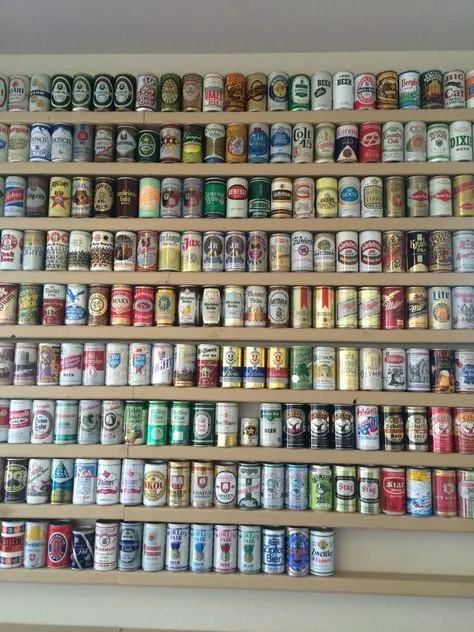
Meet the new archivist. They're not resellers, at least not primarily. They rinse the can, photograph the show ticket stub, and mount both in an IKEA ribba frame. One collector in Chicago keeps a shelf organized by tour leg — the Denver can, the Kansas City can, the one from the night the encore ran twenty minutes.
"My dad collected shot glasses," she says. "I collect cans because they're the actual artifact. The beer was there. The band was there. Same night."
It's the same impulse that drove crate digging and flyer collecting — provenance you can hold. The difference is scale. A poster run might be 100 copies. A collab can might be 10,000, which paradoxically makes the hunt easier and the framing more meaningful: you were at the show when it dropped.
When the Can Outprices the Ticket
Here's where it gets weird. Certain collab cans now trade above face value of the concert ticket that birthed them. Secondary markets and collector groups track releases the way sneakerheads track dunks. A sold-out festival-exclusive can from a major band's brewery partnership has cleared triple digits online — more than the GA wristband cost.
A rough hierarchy has emerged:
- Venue exclusives — sold only at the show, never distributed retail. Highest heat.
- Tour variants — same beer, different artwork per city. The completist's trap.
- Retail wide releases — the gateway drug, often gorgeous, rarely valuable.
The economics mirror the poster world exactly: scarcity plus story plus a date. The can just added a shelf life question, which brings us to the purists.
To Open or Not to Open
Every collector faces the dilemma. Drink the artifact and it becomes a memory. Keep it sealed and it becomes an investment — but beer doesn't age like wine, and a five-year-old lager in a decorative can is a gamble at best.
Some frame them sealed, accepting the slow fade. Some pour it out ceremonially, like emptying a bottle into the ocean. The artists, for their part, mostly don't care. "I made a picture," one designer shrugs. "What's inside was always temporary. The print is the point."
That's the thesis of the whole movement, really. The beer-and-band collab isn't selling liquid. It's selling a night, rendered in ink and aluminum, priced less than a poster and twice as likely to survive the move to the next apartment.
The merch table didn't die. It just got a pull tab.