The Garage Is Open: Inside America's Basement Bar Boom
Photo: Karen Apricot, CC BY-SA 2.0, via Wikimedia Commons
It's 10 PM on a Friday in a quiet corner of Columbus, Ohio, and the hottest bar in the neighborhood has a capacity of six people. There's no sign, no tap list, and no last call. What there is is a restored 1977 Marantz receiver humming behind a thrifted bar top, a fridge stocked with cold lagers, and a hand-lettered sign salvaged from a defunct dive two towns over that reads, simply: FRIENDS WELCOME.
Welcome to the home listening lounge — the DIY nightlife movement happening, quite literally, one garage at a time.
The Lounge Comes Home
Scroll through r/HiFi or the #listeninglounge tag long enough and you'll spot the pattern: wood paneling, warm amber lighting, a turntable mounted like an altar, and a bar fridge that's always within arm's reach. It's part audiophile flex, part interior design trend, and part quiet rebellion against the $16 cocktail.
"People got used to hosting during the pandemic and realized they actually liked it," says Dana Ruiz, an Austin-based interior designer who's consulted on more than a dozen home bar conversions in the past two years. "But they didn't want a man cave with a flat-screen. They wanted a room with a mood. Somewhere the music matters and the beer is cold and nobody's yelling over a PA system."
The formula is deceptively simple: analog audio, dimmable light, comfortable seating, and a dedicated cold-storage situation. The result is what one Portland builder described to us as "a bar with a zero-minute wait and a house pour you actually chose."
The Beer Fridge Is Non-Negotiable
Ask anyone building one of these rooms and they'll tell you the same thing: the stereo gets the glory, but the fridge does the heavy lifting. A dedicated beer fridge — often a refurbished vintage model, because aesthetics matter here — is the load-bearing wall of the entire concept.
"You can't have people walking to the kitchen mid-album," laughs Marcus Oyelaran, a Detroit hobbyist whose two-car garage now houses a 1,200-record collection and a fridge he calls "the second turntable." "Side two of Blue Train does not survive a kitchen run. Everything has to be within reach. That's the whole design philosophy."
The stocking logic follows the room. These are sipping spaces, not shot bars — think crisp lagers, easy-drinking pilsners, and the occasional imperial stout for winter listening sessions. The beer isn't the star; it's the rhythm section. It holds the groove while the records do the talking.
Where the Audio Geeks Come In
Every one of these rooms has a moment where the owner says something like "and then I re-capped the receiver" with total sincerity. The movement runs on audio nerds.
"There's a specific kind of person who wants to hear the room," says Trent Kowalski, who runs a vintage audio repair shop outside Minneapolis and says lounge builders now make up a third of his customer base. "They're not chasing specs. They're chasing the feeling of a record spinning in a dark room with a cold one. That's a very specific, very human kind of hi-fi."
His advice for newcomers is refreshingly un-snobby: "A vintage receiver, a decent pair of used speakers, and a turntable that holds speed will get you 90% of the way there. Spend the rest on seating and beer. Nobody ever left a listening session raving about the speaker cables."
The Beginner's Build: Your After-Hours Escape in Five Moves
Ready to convert the garage? Here's the consensus playbook from the builders we spoke with:
1. Pick the room, kill the glare. Garages, basements, bonus rooms — anything that can get dark. Overhead fluorescents are the enemy. Plug-in lamps, dimmers, and warm bulbs (2700K or lower) do 80% of the mood work for under $100.
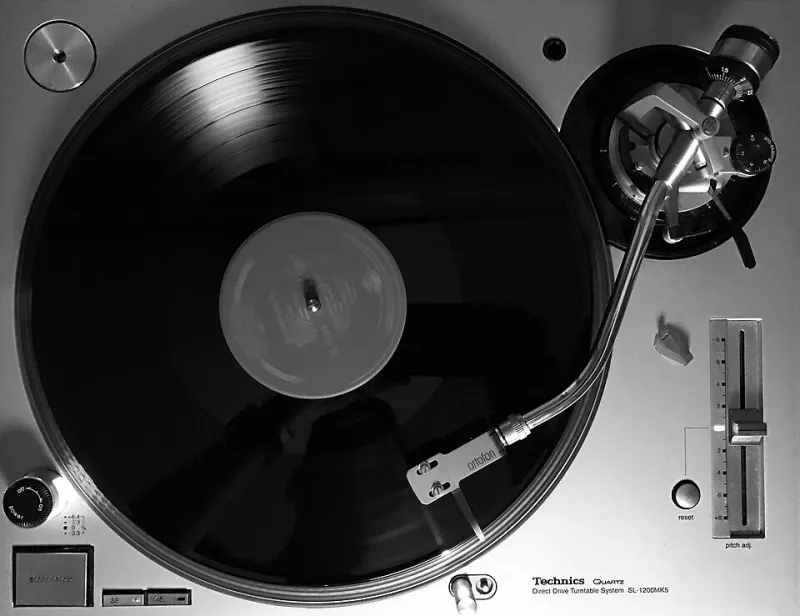
2. Go used on the hi-fi. Vintage receivers from the '70s are abundant, repairable, and gorgeous. Pair with secondhand speakers and one respectable turntable. Budget $600–$1,200 if you're patient with Facebook Marketplace.
3. Commit to the fridge. A dedicated beer fridge within arm's reach of the listening chair. Bonus points for a restored retro model. Stock it with what you like — this is the one bar in America where the house pour is entirely your call.
4. Sound-treat, don't sound-proof. A rug, some curtains, and a bookshelf do more for a garage's acoustics than most people expect. Your neighbors will also thank you.
5. Give it a name. Seriously. Every great home lounge we visited had a hand-painted or salvaged sign over the bar. "The Blue Room." "Tape Deck Tavern." It sounds silly until you're standing under one with a cold bottle in hand, and then it doesn't.
The Last Call That Isn't
What makes this trend more than a Pinterest phase is what it restores: the feeling of a neighborhood bar where everybody knows your name — except the neighborhood is whoever you choose, and the bar never closes before the record does.
As Oyelaran put it while flipping a copy of Moanin' at his place in Detroit: "The best bar in my life is twenty feet from my back door. It's got my favorite records, my favorite beer, and my favorite people. Why would I go anywhere else?"
The garage is open. Come on in — bring a six-pack of something you like.