Eight O'Clock, Worst Pour: The Quiet Ripping-Off of America's Opening Bands
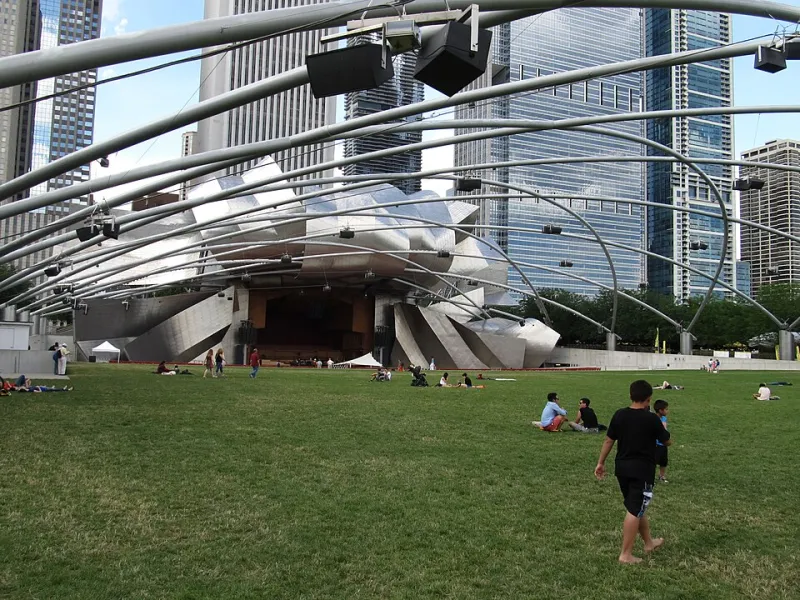
Photo: Ken Lund from Reno, Nevada, USA, CC BY-SA 2.0, via Wikimedia Commons
There's a moment every touring band knows. Doors at 7, stage at 8, and by 8:40 you're standing at the merch table watching the headliner's crew roll out their own backline — a PBR in your hand that's been warm since soundcheck.
Nobody wrote a rule that openers get the worst beer in the venue. It's just how it works out. And if you talk to enough people on both sides of the stage, you realize the sad tallboy isn't really about beer at all. It's about money, hierarchy, and a live music economy that quietly treats the first band on the bill as a rounding error.
The Warm-Up Discount Is Real
Call it what you want — the opener's cut, the early slot penalty — but the math is consistent from Portland to Philadelphia. A headliner might walk with a guarantee plus a slice of the door. The second band gets a few hundred. The opener often gets a meal buyout, gas money, and whatever's left of the drink ticket allotment.
"I've done tours where the headliner's rider had a specific IPA and a specific lager, both cold, both named," says Dana Okafor, who plays guitar in a shoegaze trio that does 150 shows a year. "Our rider line said 'beer.' That's it. So we'd get whatever case was on sale, usually something I wouldn't order on purpose."
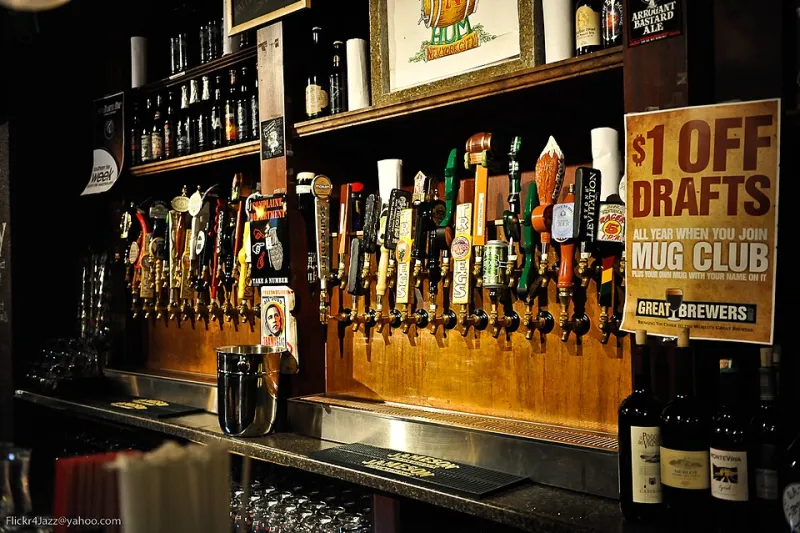
Bar managers aren't villains here. Most run venues on margins thin enough to see through. Draft lines are limited, kegs are heavy, and the stuff that moves during a sold-out headlining set is what gets stocked. When you have six taps and a Friday night crowd, you buy what sells.
But that logic has a blind spot: the 8 PM crowd. The people who showed up early — often because of the opener — are drinking too. And they're drinking what's on tap, not what's in the green room.
The Economics of Being First
Here's the uncomfortable arithmetic. Openers frequently drive the earliest arrivals, which means they're on stage during what one venue booker in Austin admitted is "arguably the highest-margin hour of the night." Drinks flow steadily before the headliner's fans pack the floor and everyone switches to whatever's fastest at the bar.
Yet the opener's compensation rarely reflects that. The drink tickets — often the only currency an opener controls — are frequently limited to house beer, which at many venues means the cheapest macro lager the distributor threw in for free.
"Free beer from a distributor is not generosity, it's marketing," laughs Marcus Delgado, who books three rooms in Chicago. "But we hand it to bands like we did them a favor. Meanwhile that band just spent $400 on gas to get here."
A Manifesto, One Pour at a Time
Fixing this doesn't require a union. It requires venues to treat the opening slot as part of the product, not the preamble. A few demands, humbly submitted:
One good tap belongs to the opener. Every venue reserves a keg of something local and drinkable for early acts. Cost: negligible. Message: enormous.
Drink tickets that don't insult. If the headliner gets named craft, the opener gets at least one beer they'd actually choose. Equal treatment on the rider, even if the cash split stays lopsided.
The early crowd gets early quality. Stock the taps for 8 PM the same way you'd stock them for 10:30. The people who came early are your most attentive customers of the night.
Bookers, say it out loud. When a venue advertises "great beer, great bands," the great beer should apply to the whole bill.
Why the Beer Matters More Than the Money
Here's the thing — nobody's saying a better IPA fixes the pay gap. A $6 pour doesn't equalize a $600 guarantee. But beer in a green room is symbolic currency. It tells a young band how the room sees them: as professionals, or as furniture.
Okafor puts it plainly: "When a venue hands you a local draft and says 'this one's for you guys,' you remember that town. You play better. You come back. That's worth more than the keg cost."
Live music runs on goodwill the same way a good session IPA runs on hops — you can't see it, but you taste the difference. The band on stage at 8 PM took the smallest check and the earliest slot. The least a venue can do is make sure their beer isn't the worst thing about their night.
Crack it cold. Pour it right. Save the warm tallboys for the people who didn't show up early.